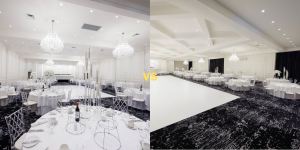
If you’re on the hunt for a wedding venue in Melbourne for 2026, you might feel a bit overwhelmed by the choices. From chic inner-city spots to beautiful garden settings and elegant ballrooms, the options are plentiful. To make the process easier, it’s essential to clarify what’s most important to you before you start scheduling viewings. This guide points out the common pitfalls couples encounter when comparing wedding reception venues, helping you make a confident choice and steer clear of unexpected costs, delays, and stress. Remember, picking the right venue isn’t just about how it looks; it’s also about the experience for your guests, the logistics, potential weather issues, what’s included, and ensuring everything runs smoothly behind the scenes, especially since 2026 dates are already in high demand.
Starting venue tours without a clear guest count and style
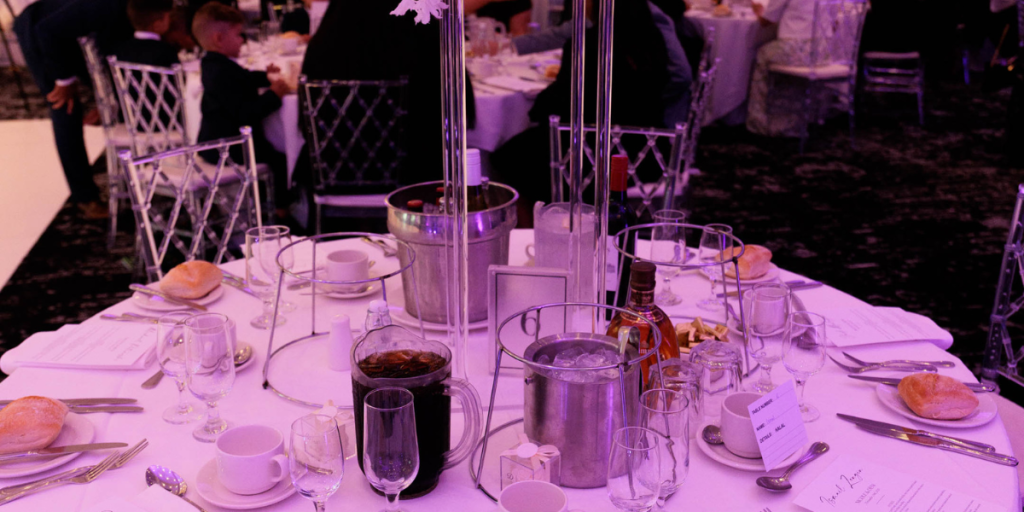
It’s tempting to tour venues the moment you get engaged, but walking in without a realistic headcount often leads to mismatched spaces, confusing quotes, and a shortlist that doesn’t suit your actual event. A venue can feel perfect until you realise the room layout doesn’t work for your numbers, or the vibe doesn’t match the celebration you want.
Before you tour, align on two things: a working guest range (with a buffer), and a defined style direction.
What to decide early:
- Your likely guest range (e.g., 120–150, not “maybe 80… maybe 200”)
- Your ideal atmosphere (classic ballroom, contemporary luxe, garden ceremony + indoor reception, etc.)
- Your non-negotiables (dance floor size, ceremony on-site, late finish, accessible parking)
Underestimating seasonality, weather, and Plan B options
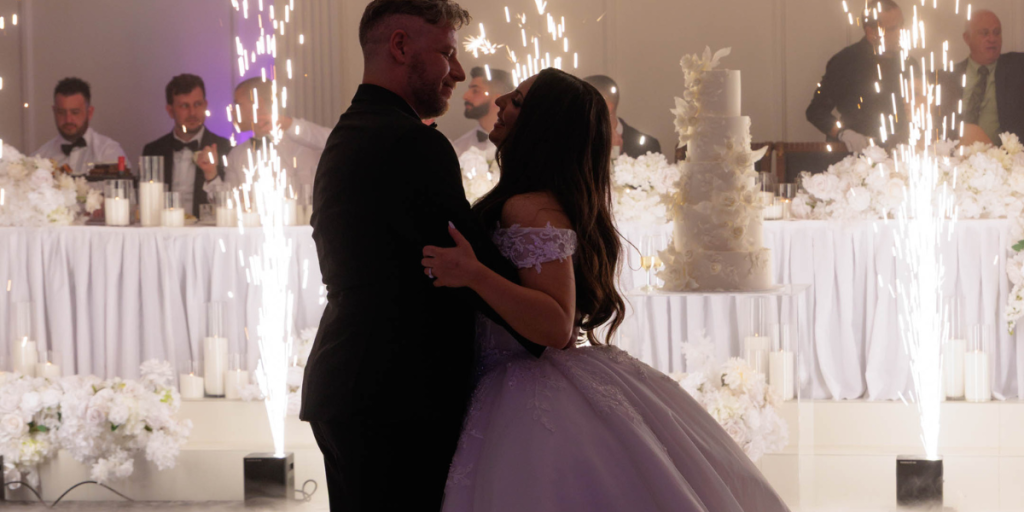
Melbourne weather can change fast, and couples often overestimate how “outdoor” their day will be. Even if you love the idea of an alfresco ceremony or courtyard drinks, a great venue should make your Plan B feel just as intentional as Plan A.
A professional venue will walk you through wet-weather flow, not just point to a spare room. You want to know exactly what changes if the forecast turns on the day, and how early decisions must be made.
Questions to ask at inspections:
- What is the indoor ceremony option, and does it feel premium?
- Is there a covered space for guest arrival and pre-reception drinks?
- How do you transition guests if weather changes mid-event?
- Are heating/cooling and ventilation comfortable year-round?
This is also where inclusions matter. Some wedding day packages include thoughtful contingencies (extra staff, extra styling support, or flexible room use), while others treat Plan B like an add-on. When you’re comparing, look beyond the brochure language and map the actual guest journey.
Comparing venues on price, not value and missing hidden costs
Couples often shortlist based on the headline number, then feel blindsided later by extra charges. A lower initial quote can become expensive if the essentials aren’t included, especially when you start adding furniture, staffing, ceremony fees, AV, cakeage, and extended times.
Value is what you get for the price, not just the price itself. This is why clear, inclusive wedding packages are often the safest option for budget control, particularly for 2026 dates when vendor rates can rise.
Look for cost clarity across:
- Venue fee vs per-head pricing (and what’s included)
- Styling basics (chairs, linens, centrepieces, candles)
- AV (microphones, speakers, screens, lighting)
- Beverage inclusions and upgrade structure
- Overtime costs and bump-out requirements
When you request quotes, ask venues to itemise the difference between wedding package Melbourne options. It’s also smart to ask if upgrades scale per guest, because that’s where “small extras” quickly multiply.
Choosing a venue that looks great online but photographs poorly on the day
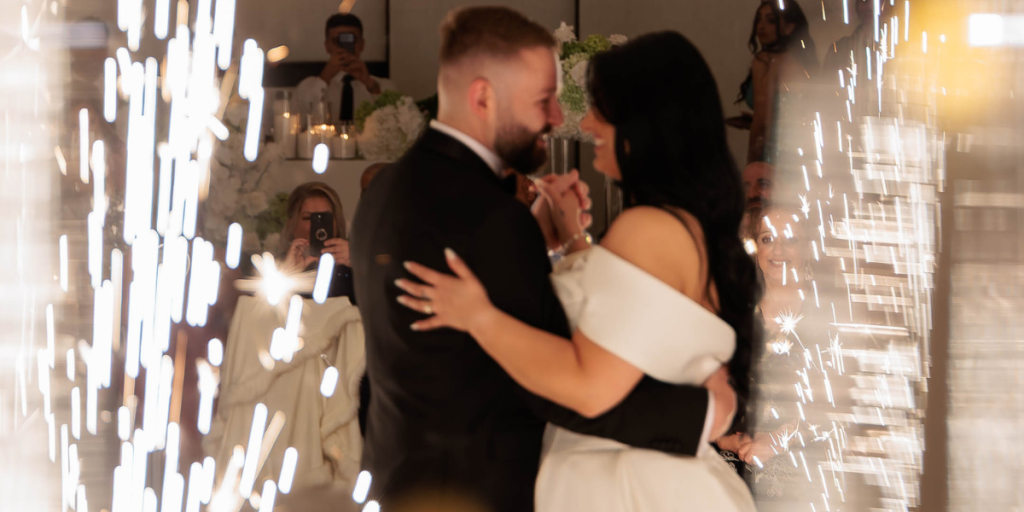
A venue can be stunning in curated images and still underperform in real wedding photography. Common issues include harsh lighting, cluttered backgrounds, low ceilings, awkward carpet colours, or limited natural light during key moments.
You don’t need to become a photography expert, you just need to tour with “camera eyes” and ask the right questions.
What to assess in person:
- Natural light near entrance, ceremony space, and reception room
- Ceiling height and feature lighting (chandeliers, uplighting options)
- Clean sightlines (no visual clutter behind the couple’s table)
- Space for a wide shot of speeches and first dance
- Dedicated photo locations that don’t require leaving the venue
If photography matters to you (and it does for most couples), ask to see real weddings from the same room layout and guest count. Well-designed wedding packages often include lighting support or supplier recommendations that help the room photograph consistently.
Ignoring acoustics, layout, and guest experience
A beautiful room can still feel “off” if the sound bounces, the dance floor is disconnected, or guests can’t hear speeches clearly. Acoustics and layout drive energy, and energy is what guests remember.
This is one of the most overlooked parts of wedding planning in Melbourne because it’s not obvious until you’re in a full room with music playing and speeches underway.
During your tour, test:
- Where the couple enters and how guests see that moment
- Whether the dance floor is central and visible
- Where speakers will stand and if guests can see/hear them
- The flow to restrooms and outdoor areas (no bottlenecks)
- Background noise (near roads, kitchens, shared walls)
Falling for a “one-size-fits-all” package that doesn’t suit your priorities
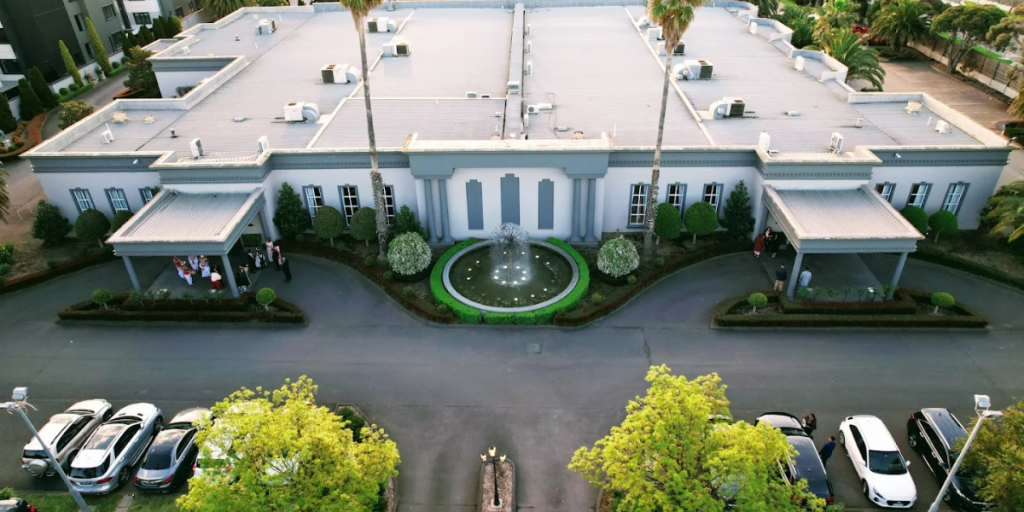
All packages are not equal. Some are truly flexible, while others lock you into choices you don’t value, like set menus you don’t love, beverage structures that don’t fit your crowd, or styling inclusions that don’t match your aesthetic.
The goal is to choose wedding packages that match your priorities, not someone else’s. If you care about food, prioritise the kitchen and service model. If you care about atmosphere, prioritise lighting, layout, and finishings. If you care about convenience, prioritise inclusions and coordination.
Check whether packages allow:
- Menu flexibility (dietary needs, late-night food, custom courses)
- Beverage upgrades without complexity
- Timing flexibility (longer receptions, earlier ceremonies)
- Personalisation (music moments, cultural or family traditions, without the venue forcing a template)
Not asking the operational questions that prevent day-of stress
A venue can be gorgeous and still chaotic operationally. Operational details determine whether your day feels smooth or rushed, and whether you’re putting out fires instead of enjoying the celebration.
This is the part of venue selection where experienced couples and planners focus, because it’s where the biggest stress (and surprise costs) come from.
Operational questions to ask:
- Who is your dedicated coordinator, and when do you meet them?
- How many events are run simultaneously on the property?
- What is the bump-in/bump-out process for vendors and styling?
- Is there a private space for the couple during the night?
- How is timing managed for speeches, meals, and key moments?
Also, ask about supplier coordination. The best wedding day packages include structured run sheets, clear contact points, and a team that’s done this hundreds of times. That experience matters on the day when timelines shift by 10 minutes, which happens at almost every wedding.
Leaving the decision too late for peak 2026 dates
2026 demand is strong, and the most popular dates tend to book early, especially Saturdays in peak months. Couples often delay the venue decision while they “keep looking,” then end up compromising on date, room, or package because availability narrows quickly.
If you’re serious about a venue, treat your venue shortlist like a decision process, not an endless browsing loop.
Venue shortlisting checklist
A good checklist keeps emotion and excitement in balance with due diligence. Use this list after your tours, before you pay a deposit.
Confirm the essentials:
- Capacity that fits your realistic guest range (with comfort)
- A genuine wet-weather Plan B that still feels premium
- Transparent pricing (what’s included, what’s extra, what’s optional)
- Layout that supports dance floor energy and clear speeches
- Strong lighting and photogenic backgrounds in real conditions
- Service model and staffing appropriate to your event size
- Clear policies for timing, overtime, and vendor access
Package clarity:
- Compare wedding packages using the same guest count
- Review wedding day packages inclusions line by line
- Validate food and beverage structure (and upgrade logic)
- Ask whether catering packages Melbourne options are on-site or external, and what that means for quality control.
Why do couples choose Manor on High?
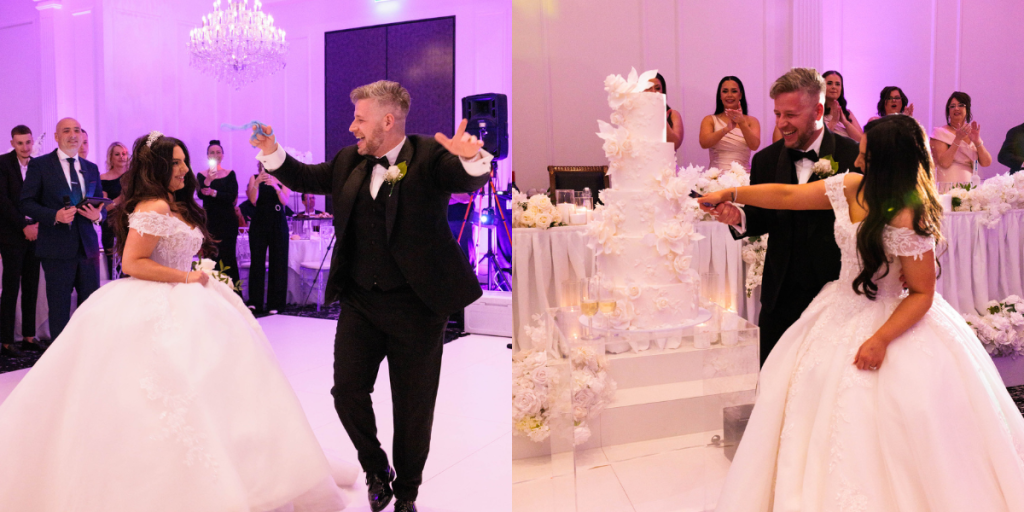
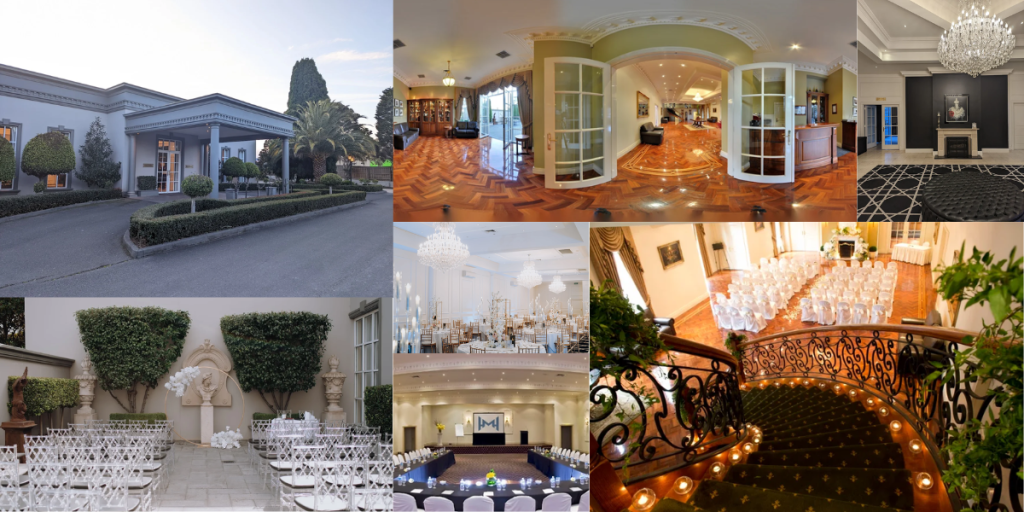
For couples who want a refined, impressive celebration without the limitations that can come with inner-city logistics or winery travel, Manor on High offers a premium alternative designed for comfort, scale, and seamless hosting. Located in Epping, it’s known as a multi-space wedding and event destination with grand interiors, dedicated coordination, and the kind of atmosphere that feels elevated from the moment guests arrive.
One of the standout advantages is choice: multiple distinct rooms and spaces mean couples can align the setting with their guest count and preferred style, whether they’re planning an intimate celebration or a large, energetic reception.
It’s also a strong fit for couples comparing wedding package options because the focus is on inclusions and value, not complicated add-ons. And for couples who care deeply about food and service, venues with established in-house hospitality can simplify decisions around catering packages Melbourne, with clearer standards and fewer moving parts.
Conclusion
Choosing your luxury wedding venue is one of the biggest decisions you’ll make for 2026, and the best outcomes come from clarity, on guest count, priorities, inclusions, and operational reality. When you avoid the common mistakes (especially hidden costs, weak weather backups, and layout issues), you’ll not only find a venue that looks beautiful, you’ll find one that feels effortless on the day.
If you want a premium, all-in-one option that offers a polished alternative to inner-city venues and winery settings, Manor on High is worth shortlisting, particularly if you value multiple elegant spaces, thoughtful guest flow, and a team built to deliver smooth, high-standard events.